Some dog breeds need warm places to live, but others can handle very cold weather, heavy snow, and strong winds. The dog breeds that do best in the snow show that they can handle winter because they do their best work during this time of year.
Their thick, double coat of fur and strong working heritage make them perfect for keeping up their best performance in cold weather. The friends of these sled dogs and mountain guardians make winter adventures that break all the rules of the season.
Interesting Fact
A lot of snow dog breeds have a thick, woolly undercoat that keeps them warm and safe in very cold weather. Some dogs have paws that look like snowshoes, which help them get better traction on ice and deep snow. This makes these dogs naturally suited for very cold weather.

Great Dog Breeds for Playing Outside in the Snow
1. Samoyed
Samoyed
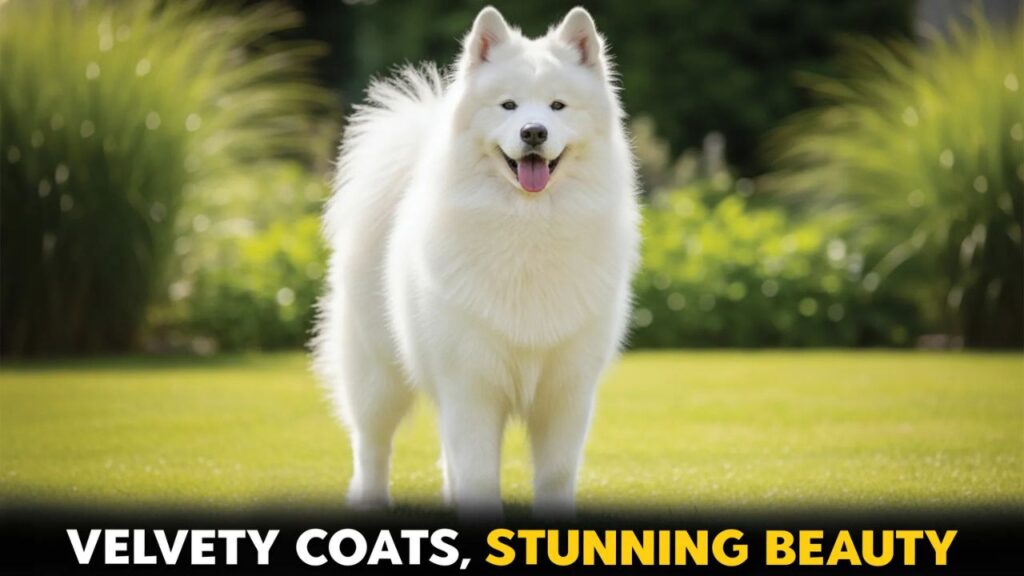
A lot of people say that the Samoyed looks like a stuffed animal that walks. According to the American Kennel Club, the Samoyed breed started in Northeast Asia, where people used it to herd reindeer and pull sleds across frozen landscapes.
The Samoyed dog breed has a double coat that protects it from the cold. It can grow to be between 19 and 23 inches tall.
About the Samoyed
The Samoyed “smile” stops drooling, which keeps ice from building up in very cold weather.
They are smart, naughty, and very social. A Samoyed needs to be around other people and get structured training from a young age. When they don’t get enough mental stimulation, their playful side turns into stubbornness.
2. Alaskan Malamute
Malamute from Alaska
The Alaskan Malamute is one of the oldest sled dogs in the Arctic. Purina UK says that this large Spitz breed was created so that people could move heavy things over icy surfaces.
The Malamute’s wedge-shaped head, straight ears, and curled tail make it look like a wolf. Because it has two coats, the dog can stay warm in the cold and wet weather.
Profile of the Alaskan Malamute
This Malamute dog is loving but also strong-willed, which lets it form strong bonds with its family members. This breed is not good for first-time owners because it doesn’t meet their needs.
Important Features of the Alaskan Malamute-01
Malamutes are very active and have a strong instinct to hunt. When animals are bored, they are more likely to dig and try to escape.
3. Husky from Siberia
Husky from Siberia
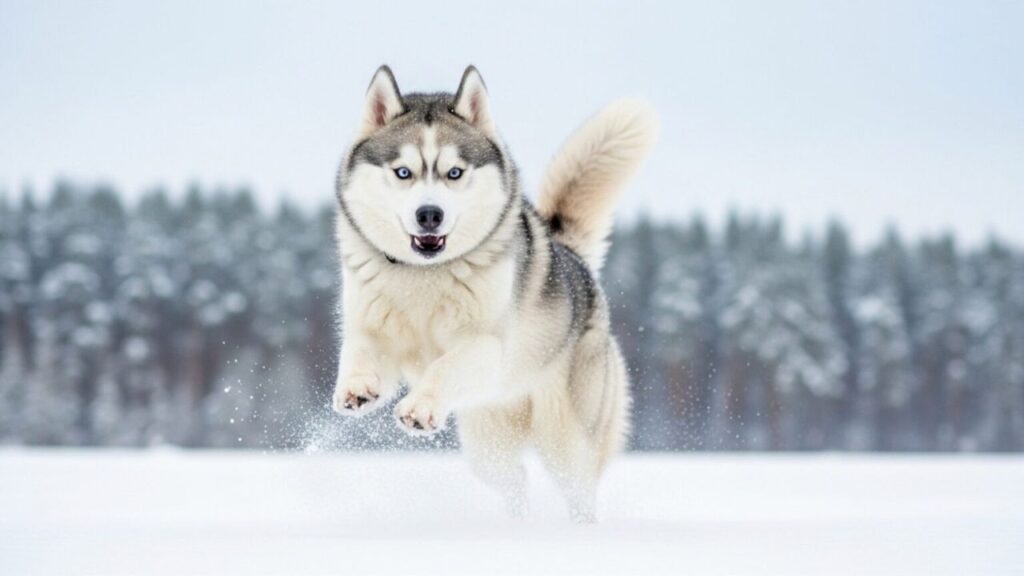
People often choose Siberian Huskies as pets in places where it snows all the time. According to Hill’s Pet Nutrition, this breed was created because its creators needed a dog that could pull sleds over long distances in very bad weather.
Huskies have thick fur coats, almond-shaped eyes that can be brown or blue, and a tail that looks like a sickle. Their thick ruff keeps their neck safe in cold winds.
Siberian Husky Information
This snow dog loves to play outside in the winter and can run for a long time. The dogs dig to cool off when it’s hot outside. Dogs need to exercise their bodies and minds every day.
4. The Bernese Mountain Dog
The Bernese Mountain Dog
The beautiful Bernese Mountain Dog comes from Switzerland, where it worked on farms and helped herd sheep. This big, gentle dog is both hard-working and loving.
Its thick coat has a striking pattern of three colors. The thick fur keeps you warm in cold weather and heavy snow.
Information about the Bernese Mountain Dog
The Bernese Mountain Dog is a great family dog for snowy areas because it is calm and even-tempered. They are big, but not too hard to take care of.
This breed does well with moderate exercise. Regular grooming keeps shedding under control. Socializing with other people early on makes you more confident and stable in outdoor settings.
5. Saint Bernard
Saint Bernard
Saint Bernard is a hero who is very important to winter history. Britannica says that monks in the Swiss Alps made this breed to help with rescue work in the 16th and 17th centuries.
Saint Bernards are gentle giants that can be as tall as 26 to 30 inches and weigh up to 180 pounds. Their thick coats and big bodies help them stay warm in very cold weather.
Profile of a Saint Bernard
They are calm, loving, and organized. They move slowly and like low-energy activities, even though they are big.
This breed needs a lot of room and an hour of exercise every day. They like it best when it’s cool outside, and they may have a hard time when it gets hot.
6. The Tibetan Mastiff
Tibetan Mastiff
The Tibetan Mastiff is a strong breed that comes from the Himalayas. The Greencross Vets say that people in the past used this breed as a guard dog to protect their livestock.
The Tibetan Mastiff has a thick, snowy coat that looks like a mane. The males of this species can grow to be 30 inches tall.
 New Dog Walking Laws in England Take Effect From Wednesday Morning—What Owners Should Know
Tibetan Mastiff Profile
They protect their territory but don’t seem to care about making friends with people who aren’t in their group. The dogs stay loyal and helpful to their handlers, who know how to handle them.
The first step in socialization is very important for success. The breed likes to roam freely, so it needs secure boundaries. The dogs can handle very hot and very cold weather, but their owners need to be responsible with them.
7. Elkhound from Norway
Norwegian Elkhound
For hundreds of years, the Norwegian Elkhound has been a brave hunter of big animals in Scandinavia. It can move through deep snow easily because of its gray double coat with black markings.
The average weight range for men is between 50 and 60 pounds. The breed can handle very cold weather because of its thick ruff and woolly undercoat.
Profile of the Norwegian Elkhound
The dogs patrol their territory without fear and show love for their family members. The dogs act like they are hunting smaller animals.
The Norwegian Elkhound needs to exercise outside, so it works best in homes with older kids. The dog will shed too much hair all year long.
8. The Great Pyrenees
Big Pyrenees
The Great Pyrenees breed’s main job in the Pyrenees Mountains is to protect flocks, which it does very well. The breed can work in snowy and mountainous areas, which helps keep sheep safe.
The dog is 32 inches tall and has a thick white coat that keeps it warm in the cold. When the dog is inside, it stays calm, but when it is outside, it becomes an alert watchdog.
Profile of the Great Pyrenees
The dog needs its own space, which is why it barks to warn its owners about dangers in the winter.
For the dog’s safety, it needs a strong fence. Animals will protect their territory, but they will get along with other pets if they are trained properly.
9. Keeshond
Keeshond: Dutch barges used happy Keeshond dogs as pets and guards. People call this breed the “Smiling Dutchman” because of its name.
Their thick double coat makes a warm coat that is perfect for cold weather. Brushing the heavy coats twice a week is all they need for easy grooming.
Keeshond Profile
They show how smart and playful they are by responding to positive ways. Because of how their bodies are built, they are better suited for snowy places than for hot ones.
For the breed to be happy, it needs to get some exercise. The dogs go outside to do things like agility and scent work, and they do this in the winter.
10. Akita Akita
The Akita came from the snowy mountains of Japan and is both dignified and strong. The ancient working dog breed was first bred to protect royalty and hunt boars and deer. It is now known for being able to work in very cold weather.
Because the Akita had to deal with harsh winter conditions and physical challenges, it became an independent and tough dog breed.
Akita Profile
The dog is calm and doesn’t have too much energy because it is strong and confident all the time. The Akita does best with structured routines, which require their handlers to be both in charge and respectful.
Royal Canin says that dogs can build muscle and stay mentally healthy by exercising every day on a set schedule. This also lowers the risk of behavior problems that come from boredom.
Final Thoughts
Before they can choose the best dog breed for playing in the snow, people need to learn about both their physical traits and history. The US military trained dogs to work in cold weather, and all snow dog breeds, from Siberian Huskies to Saint Bernards, are descended from these dogs.
Because of their thick coat and dense underlayers, dogs can stay active and warm in the winter. This is because they are naturally strong. The dogs are very strong when they pull sleds, protect livestock, and help with mountain rescues.