
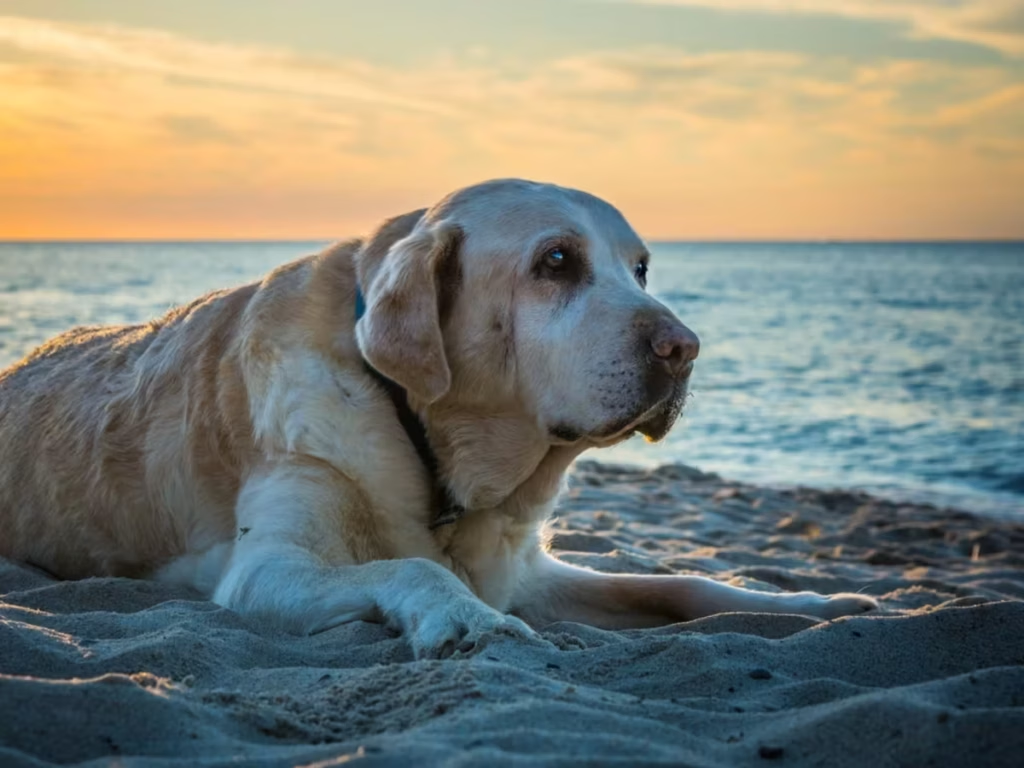
It is always worthwhile to do anything that gives an elderly dog a reason to walk with a little extra energy boost. This could be going to a place they truly love, eating a meal they really enjoy, or engaging in an activity they deeply enjoy. Senior dogs may slow down with age, but their emotional needs and love for life remain just as strong, which is why such moments become even more meaningful.
This dog was obviously up for the challenge, even though the walk was quite lengthy. This man continued walking along this stretch of sandy beach to the ocean with a steady and strong stride. Each step reflected determination, courage, and a deep bond with his human companion, showing that age is just a number when the heart is willing.
Even though he couldn’t quite keep up with his human family, he managed to make it by working hard, and what matters is that he got to see ocean and get some good exercise outdoors. This dog’s ability to enjoy his golden years by going to the beach to watch the ocean sunset at golden hour is truly amazing moment. Moments like these highlight the importance of allowing pets to live fully, even in their later years, rather than limiting their experiences.

As he walked, the soft sand under his paws and the cool breeze from the ocean likely gave him a sense of peace and joy. The beach environment itself can be incredibly stimulating for dogs, offering new smells, sounds, and textures that keep their senses active and engaged. Even a slow walk in such a place can feel like an adventure for an older dog.
However, some commenters on the video said that the elderly dog should have been pulled along in a stroller or small wagon instead because it was too much for him to walk to the ocean: “Bring a wagon next time.” He walks determinedly without slowing down and doesn’t want to fall behind his family. God bless him. These concerns often come from a place of care, as many people worry about overexertion in older pets, especially on uneven surfaces like sand.
However, some commenters disagreed, stating that it would be better for the dog’s health to walk to the ocean by himself with natural strength: “Absolutely NOT.” My 17-year-old was weakened when I tried this. They must walk and maintain back leg strength. This dog is perfectly fine and strong; wagons are for people with disabilities only. Maintaining mobility is crucial for senior dogs, as regular movement helps preserve muscle strength, joint flexibility, and overall well-being.

In the meantime, some social media users believed that this dog was enjoying his beach walk to the ocean and that it was fun and healthy exercise: “I bet the exercise felt enjoyable for him.” He appears to be very happy and content! Happiness in dogs is often visible through their body language—relaxed posture, steady movement, and a willingness to keep going are all positive signs.
Additionally, moments like these create lasting memories not just for the pet but also for the owner. Spending quality time together strengthens the emotional bond and gives both the dog and the human a sense of fulfillment. For senior dogs especially, these shared experiences can be more valuable than anything else.
It is also important to understand that every elderly dog is different. Some may need assistance like wagons or shorter walks, while others remain surprisingly active and capable, as seen in this case. The key is to observe their comfort level, energy, and health condition before making decisions.
In the end, this story is not just about a walk to the ocean—it is about love, care, and respecting a dog’s desire to live actively even in old age. Allowing them to enjoy life at their own pace, without unnecessary restrictions, can greatly improve their happiness and overall quality of life.